Roofs Inspected and Built to Protect the Full System
Residential roofing installation, repair, and inspection in Bossier City for homeowners dealing with storm damage, aging systems, or active leaks
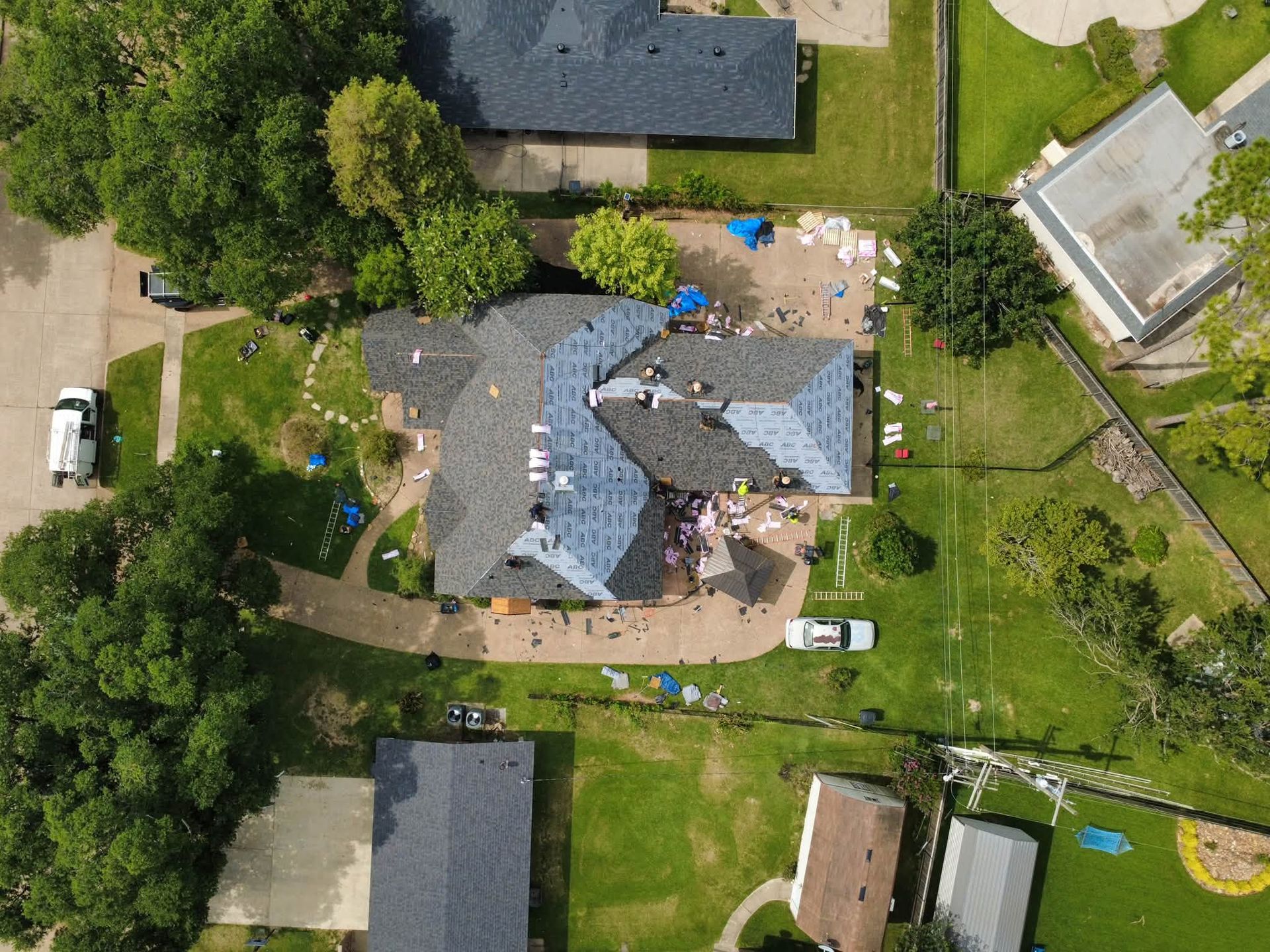
Hail bruising on a shingle is not visible from the ground. Neither is granule loss concentrated at valleys, failed flashing at penetrations, or the early-stage soft decking that develops before a leak shows on an interior ceiling. These are the failure points that determine whether a roof is performing or quietly degrading—and finding them requires getting onto the roof and checking the full system, not just looking at the ridge line from the driveway. PRC Roofing provides residential roofing installation, repair, and inspection in Bossier City, operated as a veteran-owned business licensed for both residential and commercial work. The approach prioritizes honest repairs over replacements, and every inspection documents findings with photos to support insurance claims.
Every engagement begins with a free, full-system inspection covering shingles, underlayment, ventilation, flashing, and decking. Soft spots in decking from moisture rot are identified and documented before installation begins. Proper ventilation is included in every installation because inadequate attic airflow shortens shingle life regardless of the material installed. PRC Roofing holds manufacturer certifications with Owens Corning, GAF, CertainTeed, and Malarkey, and installs both metal roofing and standard shingles. Residential license RL 07966 covers all residential scope. A five-year labor warranty is standard, with lifetime manufacturer warranties available depending on product selection.
Request a free storm damage inspection to get a documented evaluation of your roof's current condition before determining what repairs or replacement your home actually needs.
What a Full-System Roof Inspection Actually Covers
A full-system inspection goes beyond a visual check of shingles. It involves examining shingles for hail bruising and granule loss, especially in valleys and low-slope areas. Flashing at penetrations, chimneys, skylights, and valleys is scrutinized for seal failures, as leaks often stem from these areas. The decking is probed for soft spots since moisture rot may not show visibly. Ventilation at the ridge and soffits is evaluated to prevent heat and moisture buildup that can damage shingles.
With proper installation, underlayment, and sealed flashing, interiors remain dry during heavy rain, attic temperatures are regulated, and there is no granule loss at gutters. PRC Roofing documents pre-installation conditions photos for use in potential insurance claims.
Many Bossier City homes from the 1980s and 1990s feature outdated three-tab shingles with minimal underlayment and valley flashing that meets only code minimums. During roof replacements, inspections check the soundness of existing
Answers About How Residential Roofing Work Is Done
The questions below focus on the process, inspection method, and standards involved in residential roofing—not pricing or turnaround time.
What does hail damage actually look like on a shingle, and why does it matter?
Hail impact creates a soft bruise in the shingle mat beneath the granule surface—the granules scatter, leaving a depression that is spongy to the touch. That exposed mat absorbs UV radiation directly and deteriorates faster than undamaged sections, reducing the effective life of the shingle system even when the roof appears intact from the ground.
How does ventilation affect shingle performance during installation?
Proper ventilation requires balanced intake at the soffits and exhaust at the ridge so that air moves continuously through the attic. Without that airflow, heat and moisture build up beneath the decking and shingles, shortening the manufacturer-rated lifespan and in some cases voiding warranty coverage that requires verified ventilation ratios.
Why is flashing inspection a critical part of any roof evaluation?
Flashing at valleys, pipe penetrations, chimneys, and skylights is the system's most common leak point because it relies on sealed metal-to-shingle transitions that degrade as sealants age and metal expands and contracts. A shingle surface in good condition can still allow active leaks if the flashing below has separated.
What is the difference between a repair and a full replacement, and how is that decision made?
The decision depends on decking condition, the proportion of the shingle surface that is damaged, and the age of the existing system relative to its rated lifespan. PRC Roofing & Construction documents the specific findings from inspection so homeowners understand the reasoning behind the recommendation, rather than receiving a replacement recommendation without supporting evidence.
How does the inspection process support an insurance claim for storm damage in Bossier City?
Photos documenting hail bruising, granule loss, and flashing failure taken during the inspection provide the adjuster with specific, located evidence rather than a verbal description. Certifications with Owens Corning, GAF, CertainTeed, and Malarkey also support claim documentation because insurers recognize the manufacturer's damage assessment standards these certifications require.
PRC Roofing offers free full-system inspections for Bossier City homeowners evaluating storm damage, aging systems, or active leaks. Call (318) 768-3235 to schedule an inspection and receive a photo-documented report of what your roof actually needs. PRC Roofing also provides residential roofing in Shreveport, Monroe, and Ruston.