
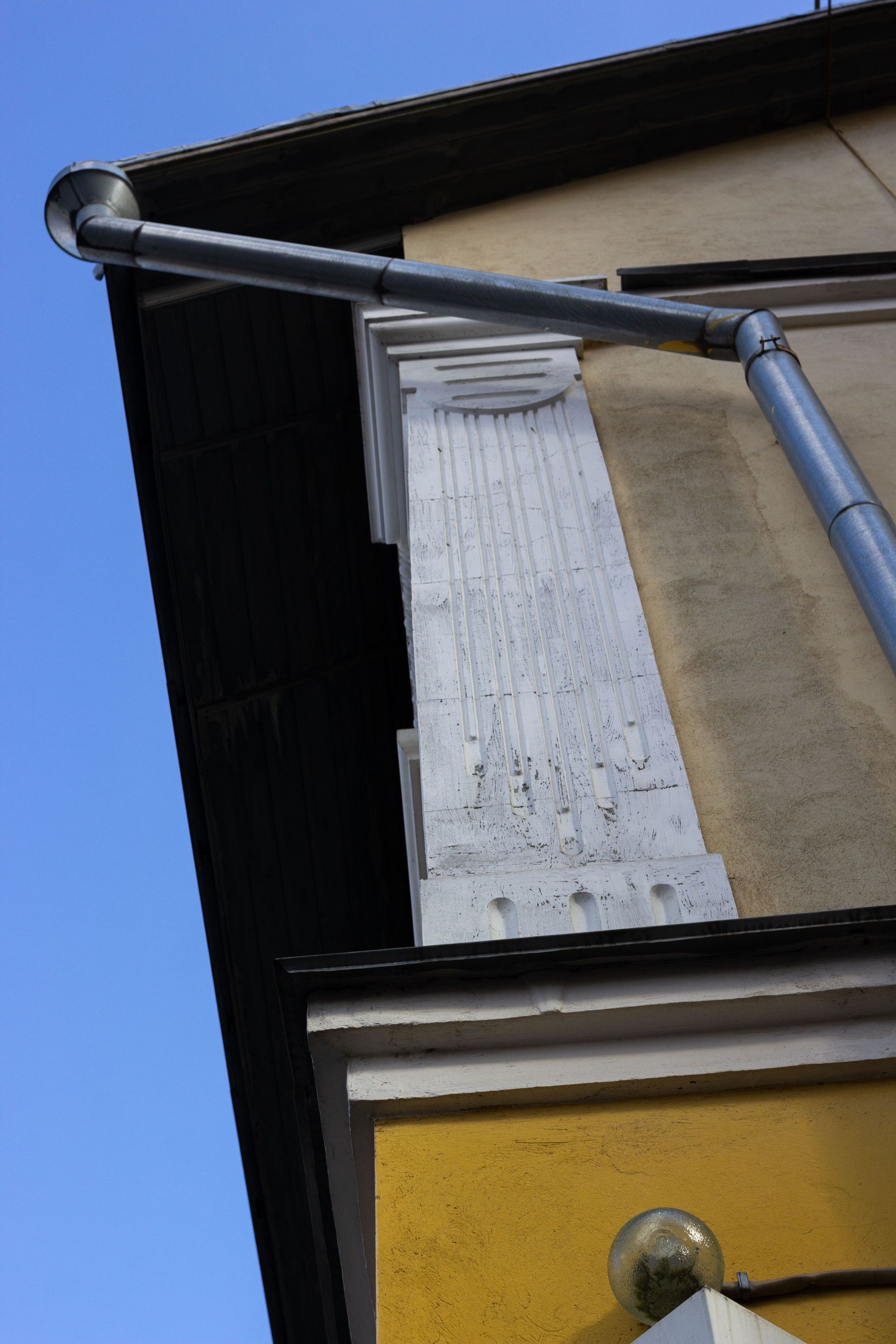
Gutters That Move Water Away from the Structure
Gutter installation, repair, and cleaning in Bossier City for properties where overflow is pooling at the foundation or damaging fascia
A gutter system that pools, overflows, or pulls away from fascia is not a cosmetic problem—it is a drainage system that has stopped working. PRC Roofing & Construction installs, repairs, cleans, and maintains gutters and downspouts for residential and commercial properties in Bossier City. When water overflows a clogged or incorrectly sloped gutter, it runs down the fascia board, saturates the siding at the base of the roofline, and pools at grade directly against the foundation—three failure points that compound into structural damage when left unaddressed.
Installation work uses seamless gutter options where possible, which eliminates the mid-run seams that are the most common source of drip leaks. Slope is set during installation to move water positively toward downspout locations rather than allowing it to stand in low spots and overflow the front edge. Repair work addresses seam and joint leaks, re-secures sections pulling away from fascia, and corrects slope problems that cause standing water. All gutter and downspout labor carries a three-year warranty. PRC Roofing & Construction holds a general contractor license covering both residential and commercial gutter scopes, and provides free inspections and estimates on all gutter work.
Schedule a gutter inspection to document where your system is failing and what the correct repair or replacement scope involves.
What Correct Gutter Installation and Repair Requires
Gutter performance depends on three things working together: slope, downspout placement, and secure attachment to the fascia. A gutter that runs level or pitches the wrong direction holds standing water that accelerates seam failure and eventually overflows. A downspout placed where it cannot drain away from the structure sends water exactly where the system is supposed to prevent it from going. And gutters that are pulling away from fascia—a sign of fastener failure or fascia rot—cannot hold their slope regardless of how well they were originally installed. Getting all three right is what separates a system that works from one that creates more damage than it prevents.
After correctly installed or repaired gutters are in place, water that once pooled at the base of the wall and along the foundation is now moving away from the structure through properly placed downspouts. The fascia board behind the gutter stays dry, the siding at the roofline does not develop staining or soft spots, and the soil grade at the foundation is no longer being saturated with every heavy rain. These are observable changes that appear within the first significant rainfall after the work is completed.
Cleaning is a separate scope from installation and repair but affects the performance of both. Debris buildup in gutters blocks downspout inlets and creates back-pressure that forces water over the front edge, directly onto the fascia and siding below. Cleaning is recommended before any slope correction or repair work is evaluated, because a debris-filled gutter makes it difficult to identify whether overflow is caused by blockage, slope, or seam failure—or all three simultaneously.
Questions About How Gutter Work Gets Done
These questions cover the process and practical details of gutter installation, repair, and maintenance—not costs or scheduling.
How is gutter slope set during installation to prevent standing water?
Slope is calculated and set at the point of attachment along the fascia, typically falling at a quarter inch per ten feet of run toward the nearest downspout. If a run is long, slope may pitch toward both ends from a high point in the middle, requiring two downspout locations.
What causes gutters to pull away from fascia and how is that repaired?
Gutters pull from fascia when original fasteners work loose over time or when the fascia board itself has softened from moisture. Repair involves assessing the fascia condition first—if the wood has rotted, new fasteners will not hold, and the fascia must be replaced before re-securing the gutter.
Why do seamless gutters reduce leaks compared to sectional systems?
Sectional gutters are joined in segments with sealant at each seam, and every seam is a potential leak point as sealant ages and separates. Seamless gutters are formed from a single continuous piece of material cut to exact length on site, so the only seam points are at inside and outside corners and at downspout connections.
What does a gutter cleaning involve beyond removing visible debris?
Cleaning includes flushing downspout inlets to clear compacted material that does not fall out when the channel is cleared, checking that downspout extensions are directing water far enough from the foundation, and identifying any sections where debris has caused the gutter to hold standing water long enough to begin corroding.
How does incorrect downspout placement contribute to foundation pooling in Bossier City properties?
Downspouts that terminate at grade-level splash blocks too close to the foundation wall, or that are missing extensions entirely, deposit water within a few feet of the footing. In properties built on slab foundations—common in this area—that pooling sits directly against the slab perimeter and works toward the interior over time.
PRC Roofing & Construction provides free gutter inspections in Bossier City, with a documented assessment of slope, attachment, and drainage before any work begins. Contact PRC Roofing & Construction at (318) 768-3235 to set up your evaluation. PRC Roofing & Construction also installs and repairs gutters in Shreveport, Monroe, and Ruston.